
Should we be worried about recycling lithium-ion batteries ?
Lithium-ion battery recycling: a rapidly growing issue
The massive development of lithium-ion batteries is profoundly transforming the challenges associated with their end-of-life management. With the rise of electric vehicles, energy storage systems, and electronic equipment, the volume of batteries to be recycled is increasing exponentially. In Europe, several million lithium-ion batteries will reach the end of their life cycle in the coming years, placing recycling at the heart of industrial and environmental priorities.
Faced with this rapid growth, recycling sectors are structuring and developing at a rapid pace. New specialized centers are emerging, while existing players are adapting their infrastructure to handle increasingly powerful and complex batteries. This acceleration, however, is accompanied by major technical challenges, particularly in terms of fire safety and managing the risks associated with the instability of end-of-life batteries.
At the same time, regulatory and environmental pressure is intensifying. Lithium-ion batteries are now considered hazardous waste, subject to strict obligations regarding collection, storage, transport, and treatment. Companies in the sector must not only meet environmental requirements but also guarantee the protection of people, facilities, and the environment against the risks of fire and thermal runaway.

Why lithium-ion battery recycling is a high-risk phase
Recycling lithium-ion batteries is one of the most sensitive stages of their life cycle. Unlike a new battery or one in controlled service, an end-of-life battery presents a high level of uncertainty, making the risk of fire particularly complex to anticipate and control.
Unstable batteries, sometimes still charged
A battery destined for recycling is not necessarily completely discharged. A residual state of charge may remain, even when the battery is considered unusable. This residual energy, combined with the progressive degradation of internal components, constitutes a major risk factor.
Invisible internal damage – micro-cracks, damaged separators, weakened cells – is common in used batteries. These defects are not always visually detectable, but can cause an internal short circuit at any time, particularly during handling or storage.
High energy density even at the end of life
Recycling involves numerous steps: sorting, handling, temporary storage, dismantling or shredding. Each step increases the risk of impact, perforation or stress on the cells.
Furthermore, many processing facilities were not originally designed for handling lithium-ion batteries. Infrastructure, containment systems, and fire protection devices are sometimes inadequate for these new risks, exposing operators and facilities to major incidents.
The main risks involved in recycling lithium-ion batteries
Lithium-ion battery recycling exposes processing centers to specific, often underestimated risks. Due to the unstable nature of these batteries and their high energy density, an incident can quickly escalate into a major disaster, endangering people, infrastructure, and the environment.
Fires and thermal runaway
One of the most critical risks during recycling is the outbreak of a fire due to thermal runaway. This phenomenon can occur as a result of mechanical shocks, accidental drilling, internal short circuits, or during dismantling and crushing operations.
Unlike conventional fires, lithium-ion battery fires are particularly difficult to control. They can self-sustain, reignite after apparent extinguishment, and require specific intervention methods, including prolonged cooling and appropriate containment solutions.
Release of toxic and corrosive gases
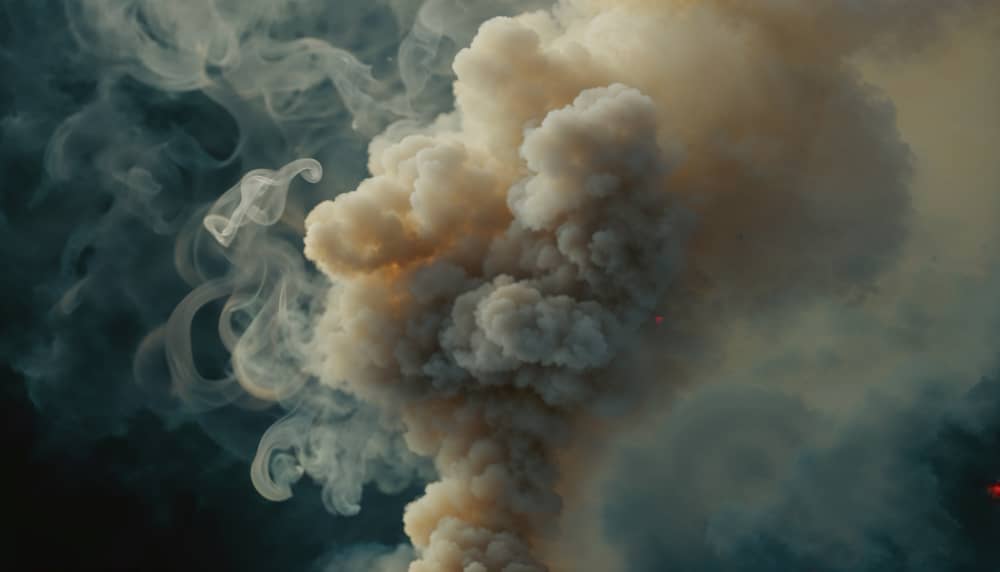
When a lithium-ion battery burns, it releases toxic, flammable, and corrosive gases, such as hydrogen fluoride. These emissions pose an immediate danger to operators, who are exposed to risks of inhalation, chemical burns, and poisoning.
Beyond the risk to human health, these fumes also have significant environmental impacts, contaminating the air, surfaces, and sometimes surrounding water. Managing these emissions is a major challenge for recycling centers, both from a health and regulatory standpoint.
Rapid spread of fire in sorting centers or warehouses
Recycling facilities often store large quantities of batteries in concentrated areas. In the event of a fire, the proximity of the batteries can cause a domino effect, where the fire spreads rapidly from one unit to another.
This rapid spread can lead to the complete destruction of entire facilities, with significant economic consequences, prolonged business interruptions, and increased risks for emergency response teams. Without appropriate containment and fire protection systems, an isolated incident can quickly spiral out of control.
Why recycling-related fires are particularly difficult to extinguish
Fires involving lithium-ion batteries during recycling are among the most complex for security teams and fire departments to manage. Their unpredictable behavior and self-sustaining nature render traditional extinguishing methods largely inadequate.
Autonomous internal reactions
Internal Reactions When a lithium-ion battery catches fire, the flames are not solely fueled by external factors. Autonomous internal chemical reactions continue to occur within the cells, even after the fire appears to have gone out.
This phenomenon explains why a battery fire can reignite several hours, or even several days, later. As long as the internal temperature of the cells has not dropped sufficiently, the risk of restarting persists. This difficulty makes complete extinguishment particularly challenging and necessitates prolonged monitoring after any incident.
Limitations of conventional extinguishing methods
Conventional fire extinguishing methods quickly prove inadequate when dealing with lithium-ion battery fires. Water, foam, or standard fire extinguishers can temporarily contain the flames, but they do not always stop the internal reactions that cause thermal runaway.
In many cases, simply extinguishing the fire visually is not enough. Effective management of these fires relies on specific strategies, combining containment of the fire, prolonged cooling, and isolation of the affected batteries to prevent any spread or reignition of the fire.
What does the regulation say about the recycling of lithium-ion batteries?
Faced with the specific risks associated with lithium-ion batteries, regulations governing their end-of-life management have been significantly strengthened in recent years. Recycling these batteries is no longer solely an environmental issue, but also an obligation of industrial and human safety.
Lithium-ion batteries: classified as hazardous waste
Lithium-ion batteries are officially classified as hazardous waste due to their potential for fire, release of toxic gases, and pollution. As such, they are subject to specific regulations regarding storage, handling, and transport.
The stakeholders in the waste management sector – collectors, transporters, sorting centers, and recyclers – bear direct responsibility for risk prevention. Any failure in procedures or equipment can lead to legal liability in the event of an incident, particularly in the case of a fire or accidental pollution.
European framework and security requirements
At the European level, regulations mandate enhanced traceability of batteries throughout their entire lifecycle, from collection to final processing. This requirement aims to better control battery flows and limit the risks associated with their handling.
The protection of people, facilities, and the environment is central to regulatory requirements. Recycling sites must implement appropriate measures to secure storage areas, prevent fires, and limit their spread in the event of an incident.
Finally, regulations are increasingly emphasizing the anticipation of fire risks. This implies not only adapted procedures, but also the use of specific technical solutions: containment, certified equipment, dedicated zones and intervention plans in the event of a disaster.

How can lithium-ion battery recycling be effectively secured?
Given the high risks associated with end-of-life lithium-ion batteries, ensuring safe recycling cannot rely on a single measure. It must be based on a comprehensive approach, combining space organization, appropriate procedures, and technical solutions capable of limiting the consequences of an incident.
Secure storage before recycling
The first critical step is to control battery storage before processing. Batteries destined for recycling must be placed in dedicated areas, clearly identified and separated from other waste streams.
Batteries showing signs of damage (impact, swelling, overheating) must be isolated immediately to reduce the risk of fire. Thermal monitoring also allows for the early detection of any abnormal temperature rise and enables intervention before an incident occurs.
Adapt handling and sorting procedures
Handling lithium-ion batteries requires specific protocols, distinct from those applied to conventional waste. Each step – sorting, moving, dismantling – must be carefully planned to minimize shocks, mechanical stress, and the risk of short circuits.
Team training plays a central role here. Operators must be able to identify batteries at risk, understand the mechanisms of thermal runaway, and react appropriately in the event of a malfunction. A clear and shared procedure significantly reduces the human factor in incidents.
Plan for fire containment solutions
Even with enhanced preventative measures, there is no such thing as zero risk. It is therefore essential to anticipate the worst-case scenario by integrating fire containment solutions adapted to lithium-ion batteries.
These devices help limit the spread of fire, contain flames and toxic fumes, and protect both infrastructure and people. Containment is currently one of the most effective responses to battery fires, particularly in recycling centers where large volumes are stored.
VLICOVER solutions for safer lithium-ion battery recycling
Fire blankets for rapid battery containment
- Immediate control of a fire outbreak
- Damage reduction
Secure storage and transport solutions
- Managing unstable or damaged batteries
- Regulatory compliance