Lithium-ion battery fire: why insurance companies are becoming more demanding
Lithium-ion battery fires: a risk now well recognized by insurers
Long considered rare or anecdotal events, fires involving lithium-ion batteries are now fully integrated into insurance companies’ risk assessments. The widespread adoption of electric vehicles, energy storage systems, and rechargeable equipment has profoundly changed the nature of the incidents observed in the field.
Increase in claims related to lithium-ion batteries
In recent years, insurers have observed a significant increase in the number of fires involving lithium-ion batteries, in industrial, commercial, and residential settings.
Company parking lots, logistics warehouses, recycling centers, charging stations, and technical facilities: no site is now entirely immune. Batteries are ubiquitous, often in large quantities, sometimes without any real, appropriate prevention strategy. As a result, claims related to lithium-ion batteries are constantly multiplying, prompting insurers to rethink their approach to risk.

Fires that are more complex, more costly, and take longer to control
A lithium-ion battery fire is not a “classic” fire. It is a complex physico-chemical phenomenon, often linked to thermal runaway, capable of generating extreme temperatures, reigniting fires and the release of toxic gases.
For insurers, this translates into :
- prolonged rescue operations,
- massive extinguishing methods (large quantities of water, prolonged cooling),
- extensive material damage, well beyond the battery initially involved.
In addition to these direct costs, there are significant operating losses, site closures, and even the complete destruction of infrastructure. This level of severity explains why lithium-ion battery fires are now classified among disasters with a high financial impact.
Why insurers no longer consider these risks to be marginal
Faced with the frequency and severity of these incidents, insurance companies have changed their stance. Fires involving lithium-ion batteries are no longer seen as exceptional events, but as a structural risk, directly linked to new energy uses.
Insurers now know that :
- The risk is predictable.
- The consequences could be catastrophic.
- and above all, that the lack of appropriate measures constitutes a major aggravating factor.
That is why they are now demanding enhanced guarantees, specific security audits and devices capable not only of detecting, but above all of containing a lithium-ion battery fire before it spreads.

Why are insurance companies tightening their conditions regarding lithium-ion batteries?
The evolution of insurance contracts is not arbitrary. It responds to an operational reality: lithium-ion battery fires are generating more frequent, more serious, and more difficult-to-control claims. Faced with this new situation, insurers are adjusting their requirements to limit their exposure… and that of their policyholders.
Increase in compensation and business interruption losses
Incidents involving lithium-ion batteries result in significantly higher compensation costs than traditional fires. Damage is not limited to the area where the fire originated: buildings, equipment, vehicles, electrical systems, and critical infrastructure can be heavily impacted.
In addition to this, there are often significant operating losses: production shutdowns, closure of parking lots or warehouses, service interruptions, and temporary relocation of activities. For insurers, these cases weigh heavily on their balance sheets, justifying a much stricter approach when underwriting or renewing policies.
Difficulties in extinguishing the fire and risks of reignition.
Unlike conventional fires, a lithium-ion battery fire can reignite several hours, or even several days, after an initial apparent extinguishment. This phenomenon, linked to the internal thermal runaway of the cells, significantly complicates fire management.
Insurers know that:
- Traditional methods of fire suppression are often insufficient.
- The interventions are lengthy and costly.
- The risk of reignition remains high as long as the battery is not fully cooled or contained.
This operational uncertainty mechanically increases the level of insured risk, prompting companies to demand specific prevention and containment measures.
Rapid spread of fires in parking lots, warehouses and industrial sites
The environments where lithium-ion batteries are stored or recharged are often closed or densely occupied: underground parking lots, logistics warehouses, industrial workshops, temporary storage areas.
In these situations, a small fire can quickly escalate into a widespread blaze:
- propagation to nearby vehicles or batteries
- domino effect on the installations,
- massive release of toxic and corrosive fumes.
For insurers, this risk of rapid spread is a major aggravating factor. Without appropriate containment measures, a localized incident can become a large-scale disaster, with considerable human, material, and financial consequences.
What new requirements are insurance companies imposing on businesses?
Faced with the increase in claims related to lithium-ion batteries, insurers are no longer satisfied with mere declarations of intent. They now demand concrete proof of risk management, sometimes making it a condition for the very insurability of certain sites or activities.
Strengthening fire prevention measures
The first major development concerns upstream prevention. Insurers expect companies to implement systems specifically adapted to lithium-ion risks, and not simply generic fire safety measures.
This includes, in particular:
- clear identification of risk areas,
- the installation of firebreaks and containment devices,
- specific internal procedures in case of overheating or a suspect battery.
The absence of dedicated measures can now lead to surcharges, exclusions of guarantees, or even a refusal of insurance.

Audit of storage, charging and transit areas
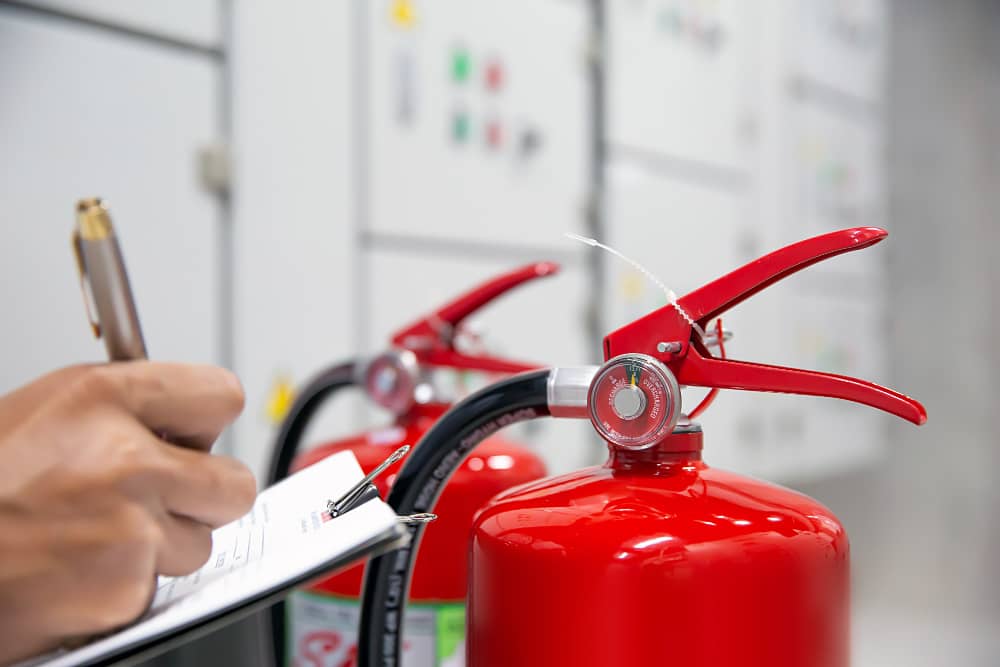
Insurance companies are increasingly relying on in-depth risk audits. These analyses cover the entire lifecycle of batteries on site: reception, temporary storage, charging, handling and shipping.
The most closely monitored areas are :
- parking lots accommodating electric vehicles,
- charging areas (charging stations, cabinets, workshops),
- storage areas for new, used or damaged batteries.
These audits aim to identify weaknesses that could promote the start of a fire or its rapid spread, and to require corrective actions before any contract validation.
Specific conditions for lithium-ion batteries (EVs, storage, recycling)
Finally, insurers now impose specific conditions depending on the type of batteries involved and their use. The requirements are not the same for an electric vehicle parking lot, an energy storage site, or a recycling center.
Among the most frequent expectations:
- physical separation of batteries at risk
- limitation of stored volumes without adequate protection
- solutions capable of containing a lithium-ion battery fire as soon as it starts.
Companies that do not take these constraints seriously risk restrictions on coverage, a significant increase in premiums or, in some cases, a complete inability to obtain insurance.
Operator liability: what you risk in the event of a disaster
When a fire involving a lithium-ion battery occurs, the issue is not only technical or insurance-related. It very quickly becomes legal and financial, with serious consequences for the operator of the site concerned.
Civil and criminal liability in case of damages
In the event of an incident, the operator may be held liable if a failure to prevent or protect against such incidents is identified. This applies to both material damage (buildings, vehicles, equipment) and personal injury (employees, customers, third parties).
Depending on the severity of the incident, the operator may be exposed to:
- civil liability claims,
- criminal prosecution in cases of gross negligence,
- significant financial penalties.
The presence of lithium-ion batteries now requires a heightened level of vigilance, recognized by both authorities and insurers.
Risk of refusal of compensation or termination of contract
An often underestimated point: in the event of a claim, the insurer will carefully analyze the site’s operating conditions. If the necessary preventative measures have not been implemented, the company risks:
- a reduction in compensation,
- a total refusal to provide care,
- or even a termination of the insurance contract after the claim.
In other words, a poorly anticipated lithium-ion battery fire can jeopardize not only the site concerned, but also the continuity of operations.
Failure to comply with safety obligations: an aggravating factor
Failure to comply with safety obligations is systematically considered an aggravating factor. This includes:
- the lack of dedicated areas for storage or charging,
- the lack of suitable containment measures,
- the lack of internal procedures or team training.
In a context where the risks associated with lithium-ion batteries are now well documented, the argument of ignorance no longer holds water. Operators are expected to demonstrate their ability to anticipate and control these risks.
Storage, charging, recycling: the areas most closely monitored by insurers
Not all areas present the same level of risk from lithium-ion batteries. Insurers are currently focusing their requirements on certain critical areas, where fires are most likely to start and the consequences most severe.
Parking and electric vehicle charging stations
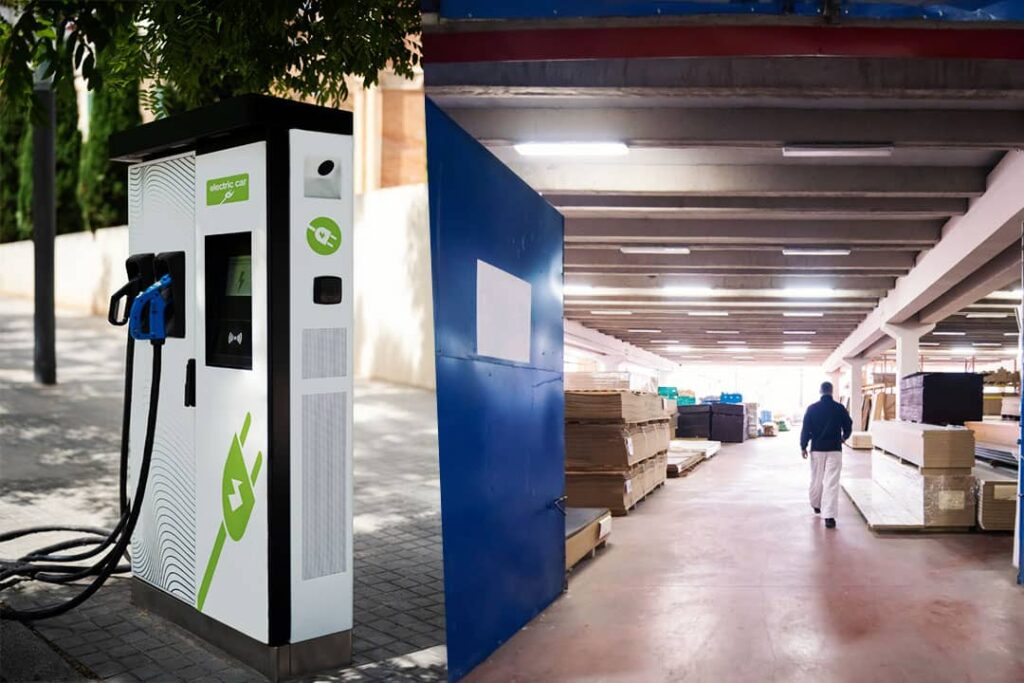
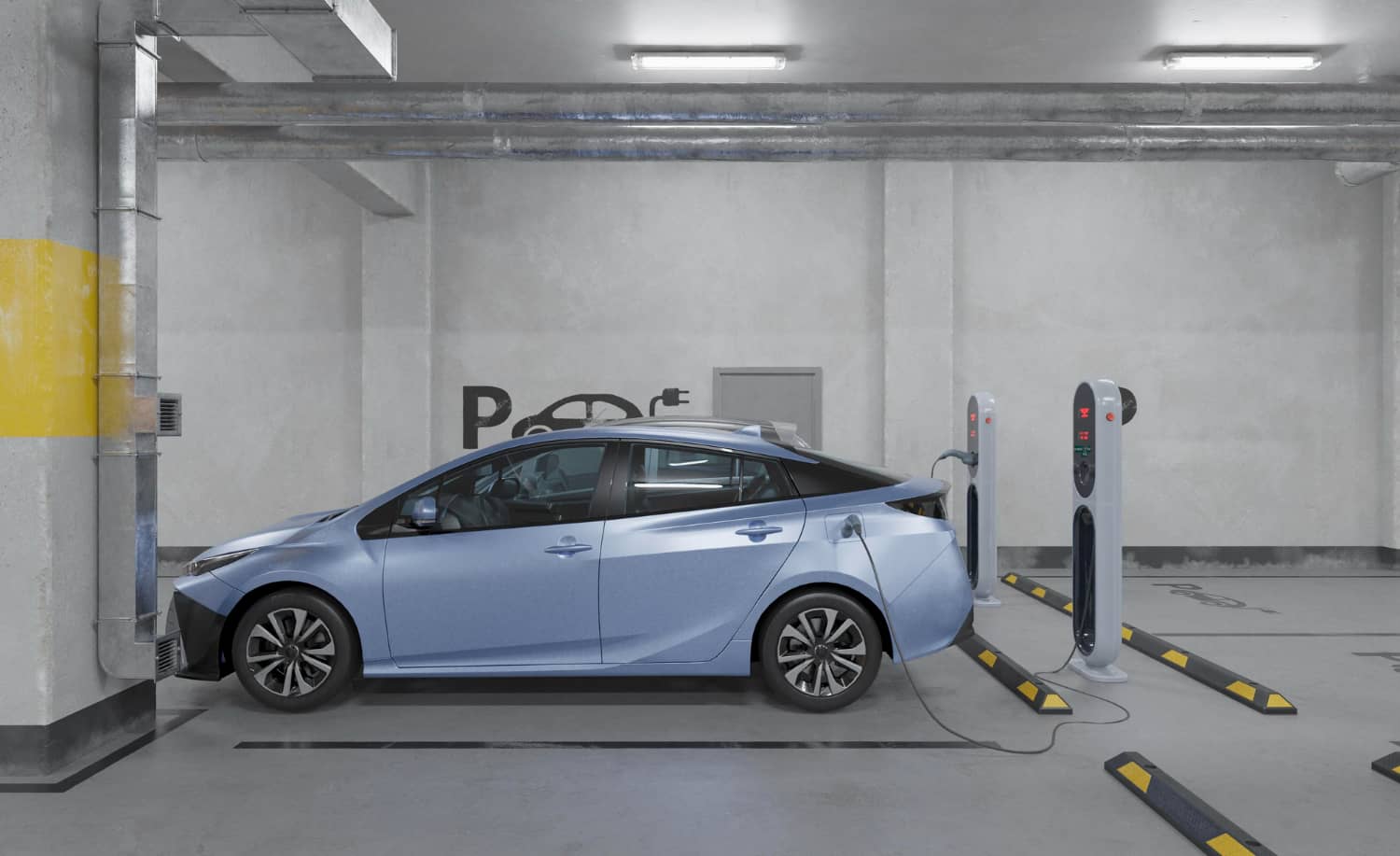
Parking lots, particularly underground or semi-enclosed ones, have become major areas of concern. Charging electric vehicles in these spaces presents several risk factors: high battery stress, close proximity between vehicles, and sometimes insufficient ventilation.
In the event of a fire, the spread can be rapid, the heat intense, and emergency response complex. Insurers therefore expect operators to secure charging areas, limit the spread of the fire, and be able to contain it within minutes.
Warehouses and temporary storage areas
Warehouses storing new or used lithium-ion batteries are also closely monitored. High-volume storage, even for short periods, significantly increases the risk of incidents, particularly in the event of charging failure, shock, or invisible internal degradation.
Insurers are increasingly demanding:
- clearly identified storage areas,
- physical separation from other goods,
- devices capable of limiting the spread of a lithium-ion battery fire.
Damaged or end-of-life batteries: a critical risk
Damaged, defective, or end-of-life batteries represent the highest level of risk. Often unstable, sometimes still charged, they can experience thermal runaway without any visible warning signs.
These batteries are receiving particular attention from insurers, who are expecting specific solutions for:
- isolate them immediately.
- avoid any contact with other equipment,
- to contain a potential fire without impacting the rest of the site.
Improper storage of this type of battery is now one of the most frequent reasons for refusal of warranty or for placing the warranty under strict conditions.
How to meet insurance requirements and secure your facilities
Faced with increasingly stringent conditions imposed by insurers, companies have no choice but to adopt a proactive approach. Securing lithium-ion batteries is no longer simply a matter of reacting to an incident, but of anticipating risk scenarios from the design stage of installations and procedures.
Identify and isolate at-risk batteries
The first major development concerns upstream prevention. The first step is to clearly identify batteries presenting a high risk: damaged batteries, batteries at the end of their life, batteries that have suffered an impact or exhibiting abnormal behavior (heating, swelling, suspicious odor).
These batteries must be immediately isolated in dedicated areas, separated from other equipment and protected against any spread of contamination. This ability to quickly detect and isolate a battery at risk is now a key criterion for insurers when assessing a site.
Implement appropriate fire containment solutions
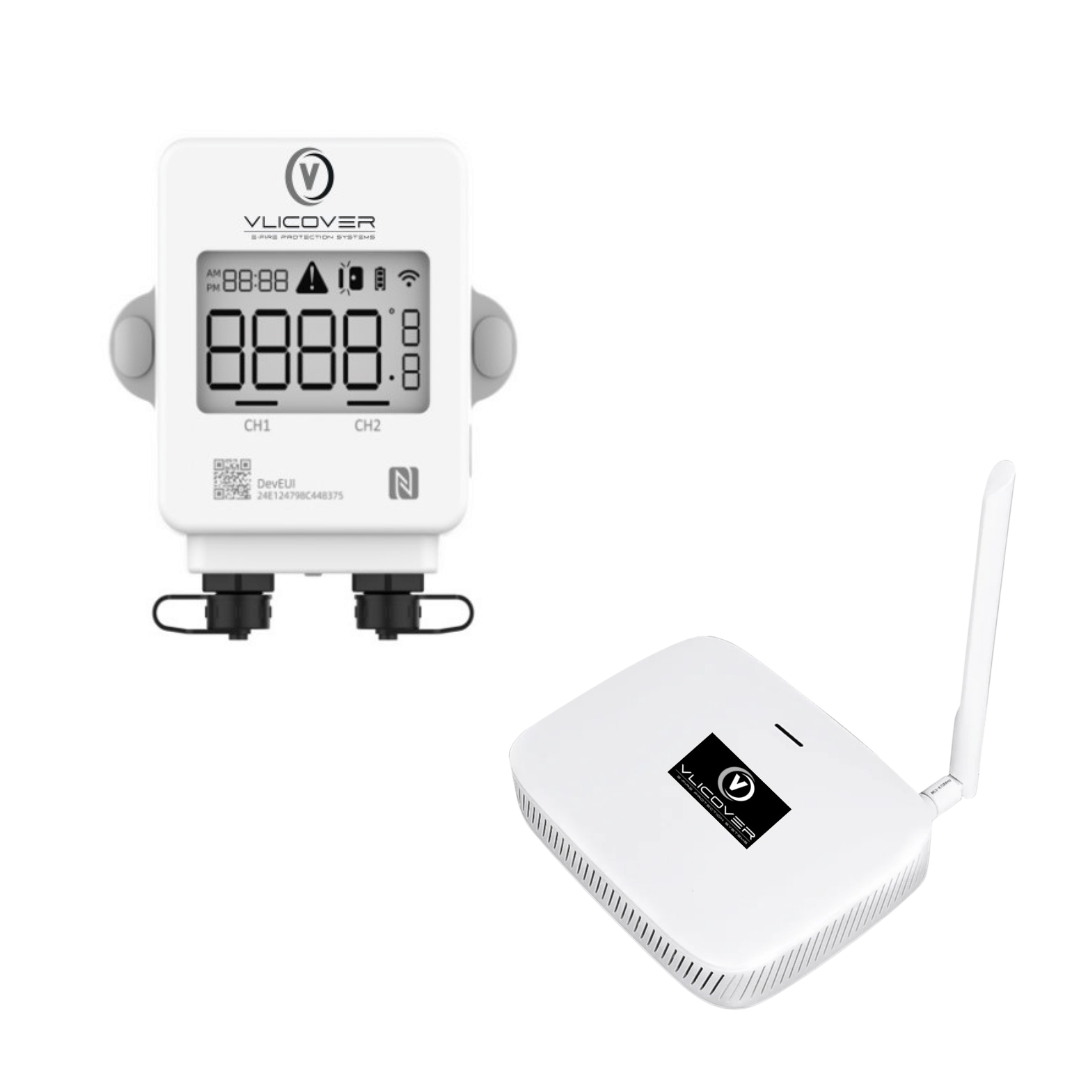
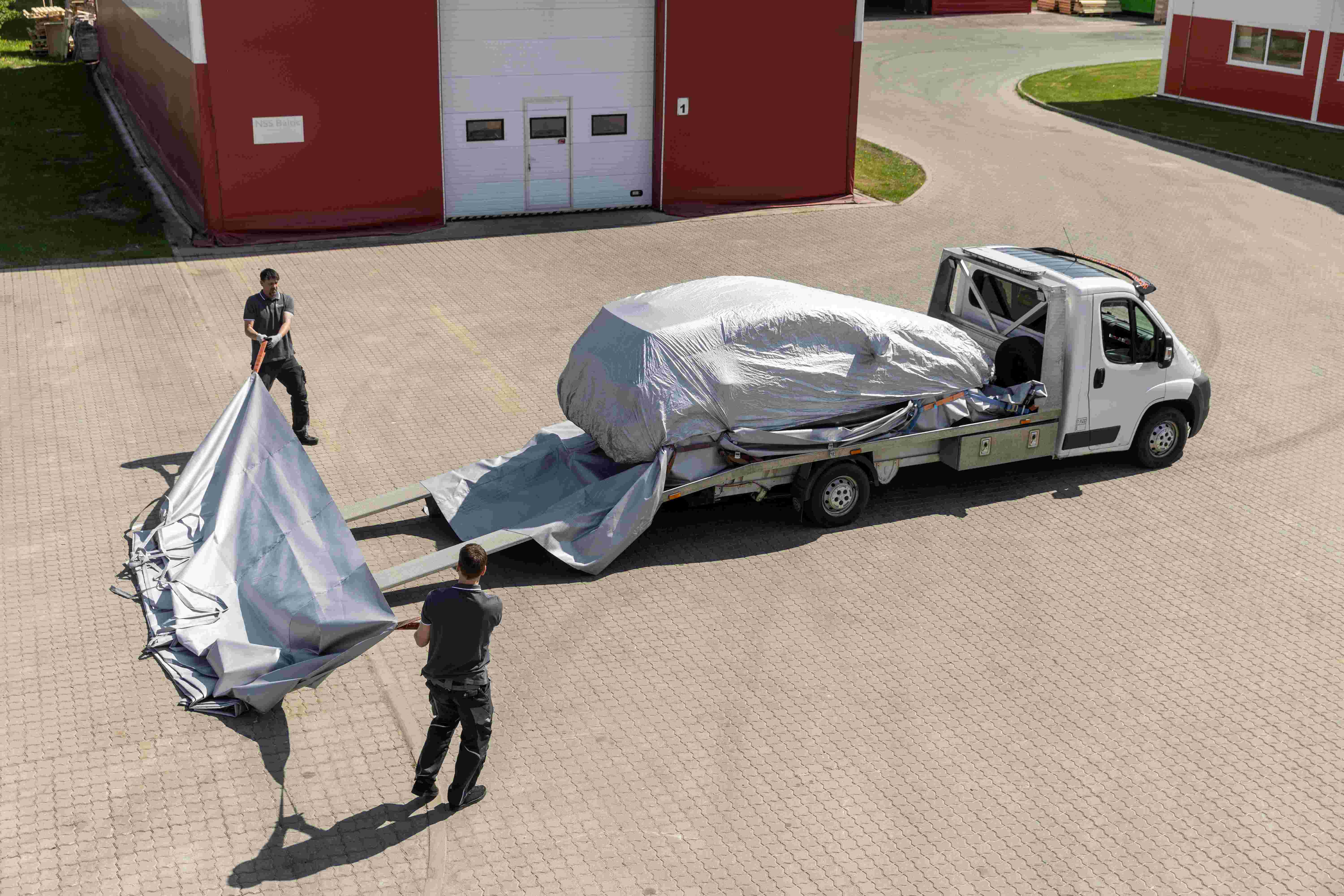
Insurance companies are increasingly relying on audits. Insurers now expect devices capable of containing a lithium-ion battery fire at its source, without depending solely on emergency response. Containment limits the spread of heat, contains the flames, and reduces the effects of toxic fumes.
Specific solutions, designed to withstand extreme temperatures and reignitions, offer a level of safety far superior to standard equipment. They meet new expectations in fire prevention and facilitate dialogue with insurance companies.
To reduce the human, material and financial consequences of a fire
Beyond compliance, the objective is clear: to reduce the overall impact of a disaster. A fire that is quickly brought under control limits the risks to people, protects infrastructure, and prevents prolonged business interruptions.
For insurers, a company that can demonstrate that it has implemented concrete prevention and containment measures is perceived as less exposed, more responsible and therefore more easily insurable in the long term.
In summary: anticipate insurance requirements to protect your assets and your teams
Faced with increasingly stringent conditions imposed by insurers, companies have no choice but to adopt a proactive approach. Securing lithium-ion batteries is no longer simply a matter of reacting to an incident, but of anticipating risk scenarios from the design stage of installations and procedures.
What insurers now expect from companies
Today, insurers expect operators to demonstrate a genuine mastery of lithium-ion risk, through:
- identifying at-risk areas and batteries,
- the implementation of appropriate preventative measures,
- solutions capable of containing a fire as soon as it starts,
- a clear organization in case of disaster.
Failing to anticipate these expectations directly exposes you to restrictions on guarantees, higher deductibles, or even a refusal of compensation.
Why investing in prevention costs less than a disaster
A lithium-ion battery fire can have serious consequences: business interruption, destruction of infrastructure, injury to people, reputational damage, and disputes with insurers. Conversely, investing in prevention and containment solutions drastically reduces the human, material, and financial impacts.
For companies, prevention is no longer a regulatory or insurance constraint: it is a strategic choice, which protects teams, secures the activity and guarantees a lasting relationship with insurers.