Charging stations: the new risks associated with lithium-ion batteries (and how to manage them in 2026)
Why are the risks around charging stations increasing in 2026 ?
More electric vehicles = more charging points… therefore more potential incidents
The electric vehicle market is growing at a record pace: more than one in five vehicles sold in Europe in 2025 will be 100% electric. As a result, charging stations are multiplying in private parking lots, apartment buildings, businesses, hotels, and public spaces.
However, each new charging point represents an additional potential source of accidents.
- Damaged or non-compliant batteries
- Misuse of the terminal
- Local power failure
- Overheating during charging
This mechanical increase in risk points leads to a proportional increase in fires related to lithium-ion batteries.
Lithium-ion batteries: ever-increasing energy density
The latest generation of battery models offers better performance… but also greater safety requirements. Their energy density increases every year, sometimes reaching over 300 Wh/kg, which means:
- More energy stored in the same volume
- A more violent thermal runaway in case of failure
- Higher temperatures (up to 1200°C on an EV battery fire)
- A risk of accelerated spread
This intensification of onboard power reinforces the importance of thermal monitoring, suitable charging areas and certified fire-resistant equipment.
Facilities often poorly controlled in private and public parking lots
While charging stations installed on major networks are subject to strict standards, this is not always the case :
- Home charging stations installed without thorough checks
- Rapid deployment in some public parking lots, at the expense of prevention
- Lack of fireproof cabinets or dedicated charging areas
- Poor ventilation in charging areas
- Worn cables or connectors
These conditions increase the risk of fires that are difficult to control, particularly in confined environments such as underground parking lots.
To address these dangers, VLICOVER offers certified solutions to contain a lithium-ion battery fire, protect infrastructure and ensure user safety.
What are the specific risks associated with recharging lithium-ion batteries ?
Overheating and thermal runaway: the number one danger during charging
During charging, a lithium-ion battery can reach critical temperatures.
If a cell becomes unstable (internal defect, overcharging, previous shock, etc.), it can experience thermal runaway.
- a rapid temperature rise to over 400°C in just a few seconds,
- chain reactions in neighboring cells,
- release of flammable gases,
- fire extremely difficult to extinguish.
This phenomenon can occur even in a battery that initially appears “healthy,” as a latent defect can be revealed by exposure to a charging current.
Without dedicated equipment (certified fire blankets, isolated charging areas, thermal monitoring), the risk becomes critical.
The risk of rapid spread in a parking lot or enclosed space
In an underground parking lot, workshop, or poorly ventilated space, a lithium-ion battery fire can spread :
- faster (heat accumulation),
- further (confined structure),
- more seriously (oven effect, flammable materials nearby).
The extreme temperatures generated by a battery fire can reach up to 1,200°C when a vehicle catches fire. At this level, buildings, neighboring vehicles, utility shafts, and electrical installations are directly threatened.
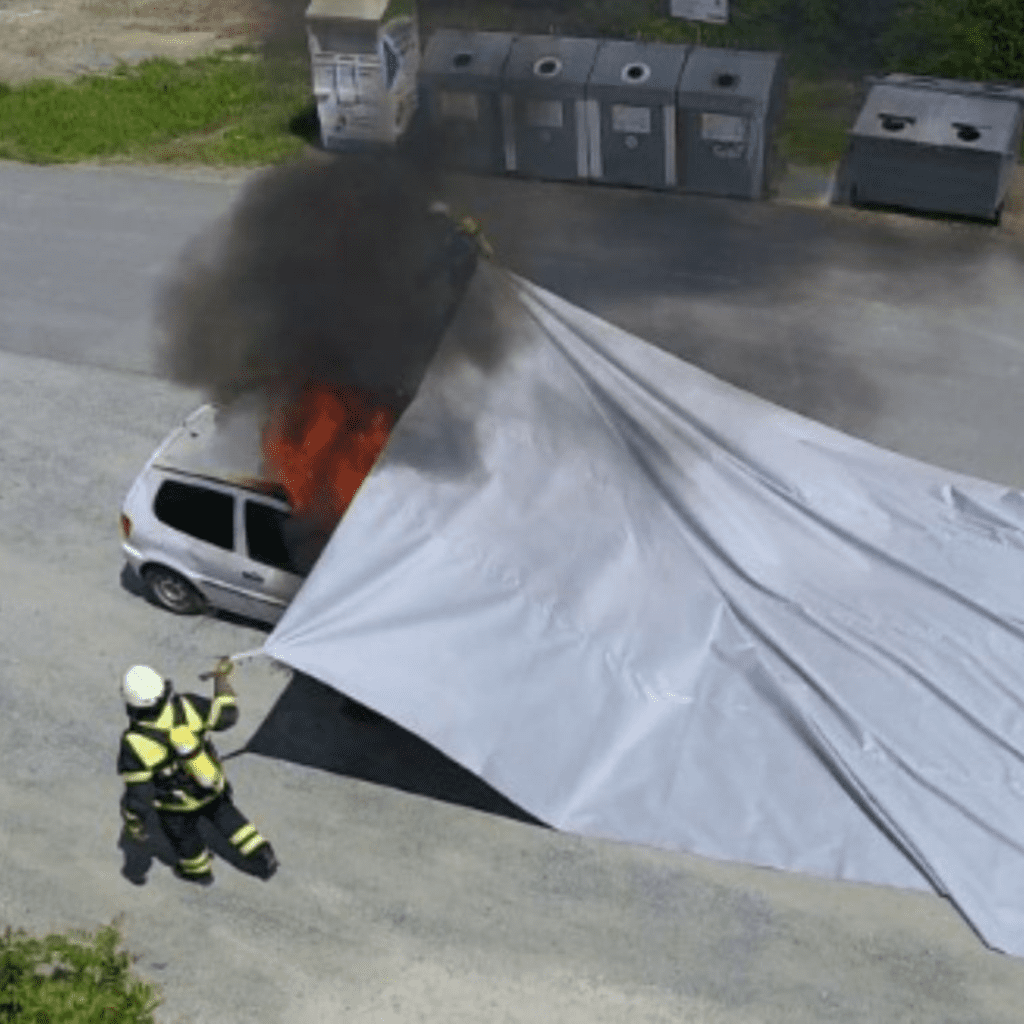
For this reason, some infrastructures now require specialized equipment such as fire blankets for electric vehicles or fireproof containers for charging.
Toxic gases and corrosive fumes : an underestimated issue
Unlike “conventional” fires, the combustion of a lithium-ion battery produces:
- hydrogen fluoride (HF),
- volatile organic solvents,
- corrosive aerosols,
- toxic fine particles.
These emissions can be dangerous within seconds, even at low concentrations. They represent a risk:
- for parking lot users,
- for intervention personnel,
- for ventilation and technical installations.
The presence of containment equipment is therefore imperative, not only to stop the flames, but also to limit the spread of gases.
Technical failures: terminal, cables, connectors, or the battery itself
A battery fire isn’t always caused by the battery itself. Incidents also occur due to :
- of a poorly installed or non-compliant terminal,
- of a damaged cable or connector,
- due to moisture seeping into the connectors,
- of an incompatible charger,
- due to an internal fault in the BMS (Battery Management System).
A simple bad connection can cause local overheating, enough to start a fire.
This is why businesses, car parks and infrastructure operators must :
- check the terminals regularly.
- secure the charging areas,
- use certified equipment,
- plan VLICOVER containment solutions adapted to their facilities.
Focus : What do recent statistics say about fires during refueling ?
Increase in fire department interventions related to EVs in Europe
European fire services are observing a clear trend :
Interventions related to electric vehicles increased by 28% between 2023 and 2025.
This figure does not mean that electric vehicles catch fire more often than internal combustion engine vehicles (they are generally less affected), but it does confirm that:
- Lithium-ion battery fires are more complex.
- Firefighting operations require more resources.
- Charging is involved in nearly a third of reported incidents.
Some countries such as Norway, the Netherlands and France have also strengthened their protocols in car parks and professional fleets, evidence of increased vigilance.
2024–2025 Data: Fires in underground car parks and public charging stations
The most detailed statistics come from insurance companies, parking operators, and survey reports :
- 37% of fires involving EVs in 2024 started during charging.
- In underground car parks, fires linked to charging stations have increased by +18% in one year.
- 1 in 4 battery fires involves a damaged connector or cable.
- Incidents at public charging stations have increased by 12% due to aging or poorly controlled installations.
Experts point out that the majority of these incidents could have been avoided by :
- improved maintenance of the terminals,
- secure charging areas,
- and suitable containment equipment, such as fire blankets for EVs or specialized storage containers.
Why charging fires are among the most difficult to extinguish
When a lithium-ion battery catches fire while charging, several factors worsen the situation:
🔥 1. Thermal runaway is more easily triggered
🔥 2. The fire continues to power the battery
🔥 3. Extinction is extremely long
🔥 4. High risk of fire reignition
🔥 5. The fumes are toxic and corrosive
The most exposed infrastructures: who is really affected?
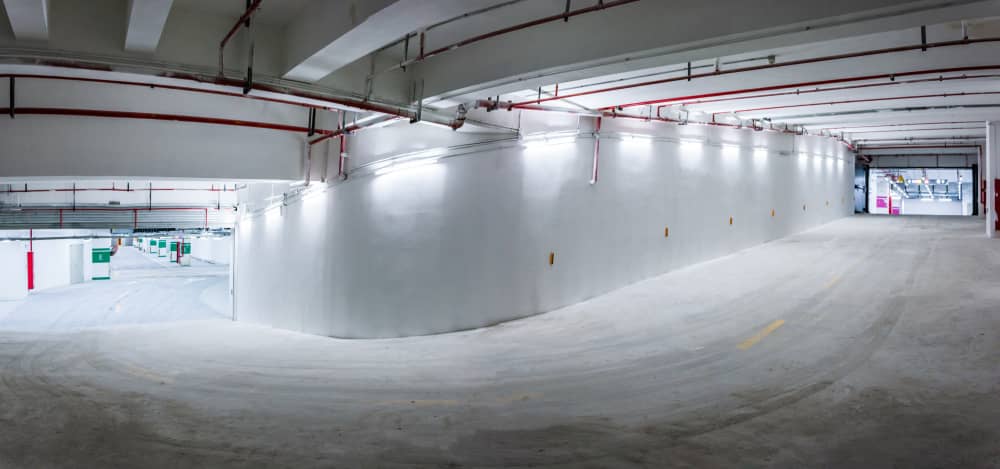
Public and underground parking lots
Enclosed car parks present several aggravating factors :
- Limited ventilation → accumulation of flammable and toxic gases
- Proximity of vehicles → rapid spread of a multi-level fire
- Difficulty in responding → reduced access for firefighters, poor visibility
- Charging stations often installed in battery packs → risk of cumulative overheating
It is in these environments that lithium-ion battery fires are most dangerous. Several incidents that occurred in Europe in 2024–2025 demonstrated this: a vehicle being recharged can set several cars ablaze in a matter of minutes.
Companies with EV charging stations for electric fleets
Many companies are installing charging stations for their fleet or for employees. The problem:
80% do not have a containment area or an emergency procedure adapted to lithium-ion batteries.
The risks particularly concern :
- corporate fleets with high turnover,
- the terminals located under the buildings,
- maintenance workshops with internal recharging.
Without specialized equipment (fire blankets, quarantine containers, thermal monitoring), the company is exposed to major damage to its infrastructure.
Car dealerships, workshops and garages
These professionals handle electric vehicles on a daily basis :
- load tests,
- diagnostic tests,
- damaged batteries,
- damaged vehicles.
However, even a slightly damaged battery can ignite up to 72 hours after impact.
Workshops are therefore among the environments where the risk of re-ignition is highest.
These sites must absolutely have :
- rapid containment solutions (e.g., VLICOVER fire blankets),
- quarantine zones,
- thermal detectors,
- internal evacuation and handling protocols.
Condominiums and individuals equipped with wallboxes
Local authorities are installing more and more charging stations :
- park and ride facilities,
- train stations,
- municipal car parks,
- sports equipment,
- tourist areas.
These facilities accommodate a random flow of vehicles, making control and maintenance more difficult.They must therefore equip themselves to manage emergencies: containment, early detection, post-fire isolation.
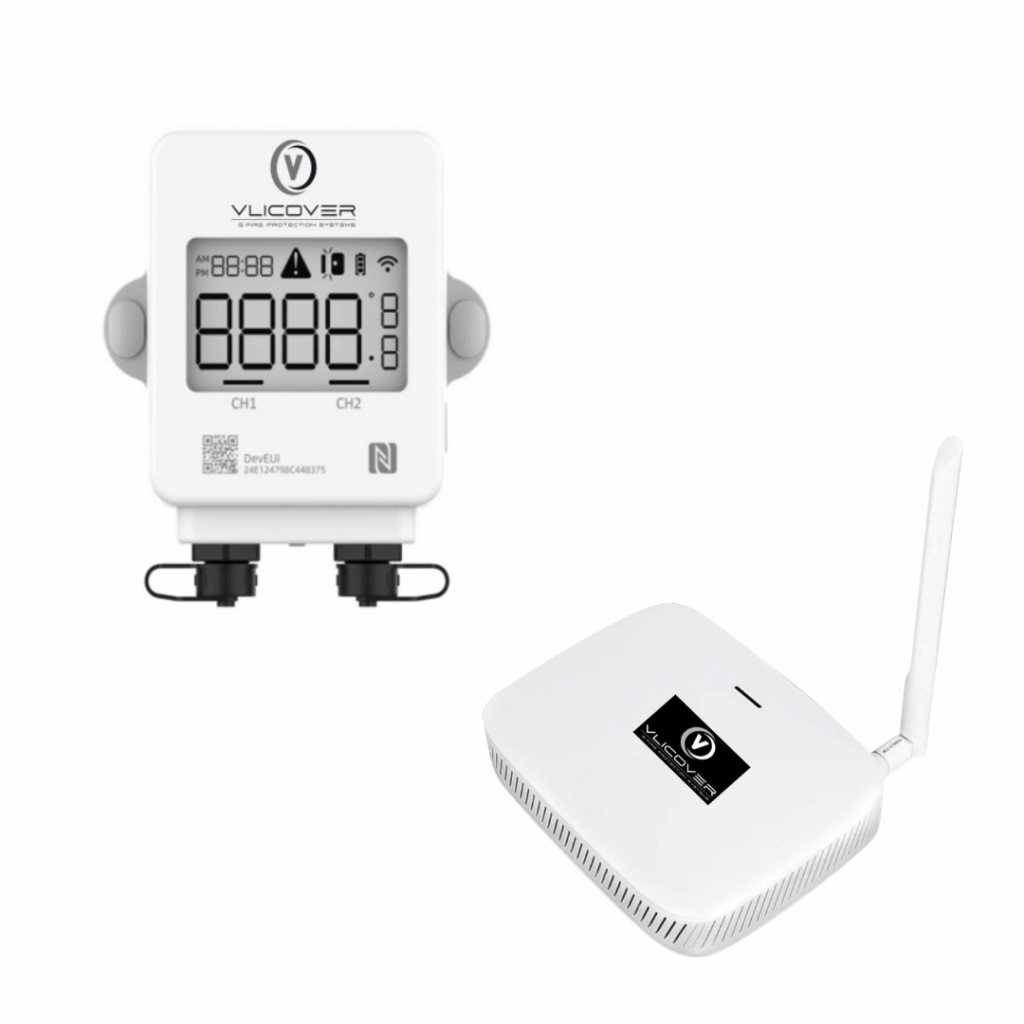
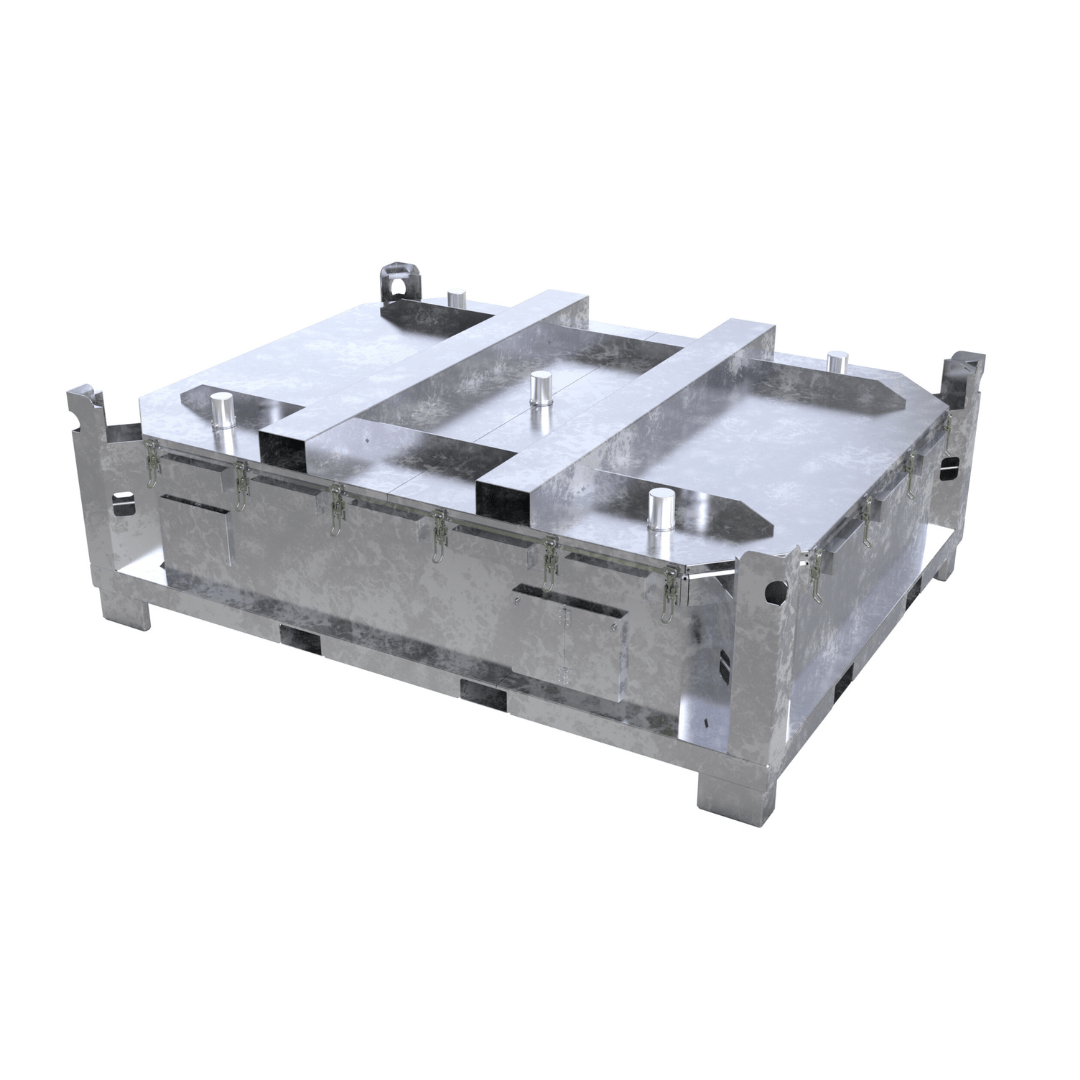
VLICOVER solutions to limit risks around charging stations
In summary: managing risks for safer electromobility
Key points to remember
- Charging is a critical moment : the majority of lithium-ion battery fires occur during or just after this phase.
- Enclosed environments (parking lots, workshops, warehouses) are the most vulnerable.
- Thermal runaway is extremely difficult to extinguish, even for firefighters, and can restart up to 72 hours after extinguishing.
- Poorly maintained installations (terminals, connectors, cables) are a major factor in incidents.
- Appropriate equipment — fire blankets, quarantine containers, thermal monitoring — can reduce known risks by more than 70%.
- Regulations are becoming stricter : by 2026, businesses and infrastructure must anticipate increasing fire safety requirements.
Why equip yourself now ?
Equipping yourself today means :
- anticipating risks in a context of accelerating electromobility,
- to protect infrastructure (car parks, businesses, communities) from major damage caused by a battery fire,
- to secure teams and users in the face of a phenomenon that is still poorly understood by the general public,
- to meet the expectations of insurance companies, which increasingly require fire protection devices specifically designed for lithium-ion batteries,
- reduce intervention, repair or downtime costs in the event of an incident.
Thanks to its certified professional solutions, VLICOVER supports all structures — companies, communities, car parks, workshops, dealerships — in setting up enhanced security around charging stations.